

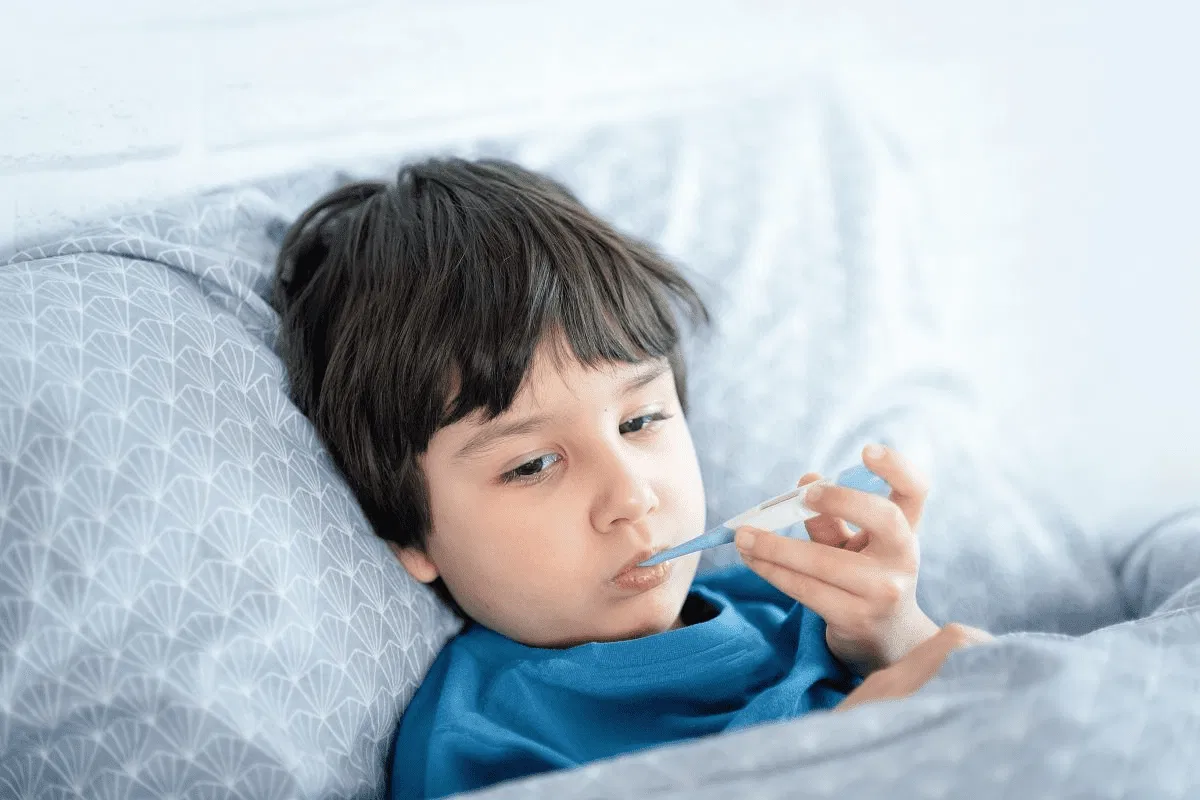
Fever in children can be alarming for parents, especially when it appears suddenly or reaches a high temperature. However, fever itself is not a disease. It is usually a sign that the body is fighting an infection caused by viruses or bacteria. In many cases, a mild fever resolves on its own with supportive care.
Still, there are situations where a fever may indicate a more serious condition. Recognizing the warning signs early is important for protecting a child’s health and ensuring timely treatment.
What Causes Fever in Children?
Children’s fever refers to an increase in body temperature above the normal range, typically higher than 38°C (100.4°F). Fever is commonly linked to infections, but it can also occur after vaccinations, due to inflammatory conditions, or from heat exposure.
Viral infections such as colds, flu, and stomach viruses are among the most common causes of fever in children. Bacterial infections like ear infections, urinary tract infections, and pneumonia may also trigger elevated temperatures.
In some situations, teething may cause a slight rise in temperature, although it usually does not result in a true fever.
Common Symptoms That Accompany Fever
Pediatric fever rarely occurs alone. Children may experience several symptoms depending on the underlying cause. These symptoms may include:
- Chills or sweating
- Fatigue and weakness
- Loss of appetite
- Irritability or fussiness
- Headache
- Runny nose or cough
- Body aches
Some children remain playful despite having a fever, while others become sleepy or clingy. Monitoring overall behavior is often just as important as checking the temperature itself.
When Fever Is Considered an Emergency
Most fevers can be managed at home, but some warning signs require urgent medical attention. Parents should watch closely for symptoms that suggest serious illness or complications. Seek immediate medical care if a child experiences:
- Difficulty breathing
- Bluish lips or face
- Seizures
- Severe dehydration
- Persistent vomiting
- Extreme drowsiness or confusion
- Stiff neck
- Rash that does not fade when pressed
- Unresponsiveness
Infants younger than three months with a fever should also be evaluated by a doctor promptly, even if they appear well. Understanding these emergency signs is essential when managing children’s fever, as early intervention can prevent worsening conditions.
Fever and Febrile Seizures
One of the most frightening experiences for parents is witnessing a febrile seizure. These seizures are triggered by rapid increases in body temperature and are most common in children between six months and five years old.
During a febrile seizure, a child may shake, lose consciousness briefly, or roll their eyes upward. Although most febrile seizures are harmless and short-lived, emergency medical evaluation is still recommended after the first episode.
Parents should place the child on their side, avoid putting anything in the mouth, and ensure the surrounding area is safe until the seizure stops.
How to Monitor Fever at Home
Proper monitoring helps parents determine whether a fever is improving or worsening. Digital thermometers are the most reliable option for measuring temperature. Children should be encouraged to rest and drink plenty of fluids to prevent dehydration. Lightweight clothing and a cool environment may also help improve comfort.
Paracetamol or ibuprofen may be used according to the child’s age and weight, but medications should never be given excessively or without proper guidance. For many cases of children fever, supportive care at home is enough for recovery.
When to Visit a Doctor
A doctor should be consulted if fever lasts more than a few days, repeatedly returns, or is accompanied by worsening symptoms. Medical attention is also recommended when:
- The child refuses fluids
- Fever medication does not help
- The child complains of severe pain
- Symptoms continue to worsen
- There are concerns about unusual behavior
Even if the temperature itself is not extremely high, the child’s overall condition remains an important factor in deciding whether medical care is needed.
Conclusion
Fever is a common part of childhood illnesses and is often manageable with proper care at home. In many cases, it simply indicates that the immune system is responding to infection.
However, parents should remain alert for emergency warning signs such as breathing difficulties, seizures, dehydration, or unusual behavior. Prompt medical attention in these situations can make a significant difference in recovery and safety.
By understanding the causes, symptoms, and emergency signs associated with children fever, parents can respond with greater confidence and ensure their child receives the appropriate care when needed.