

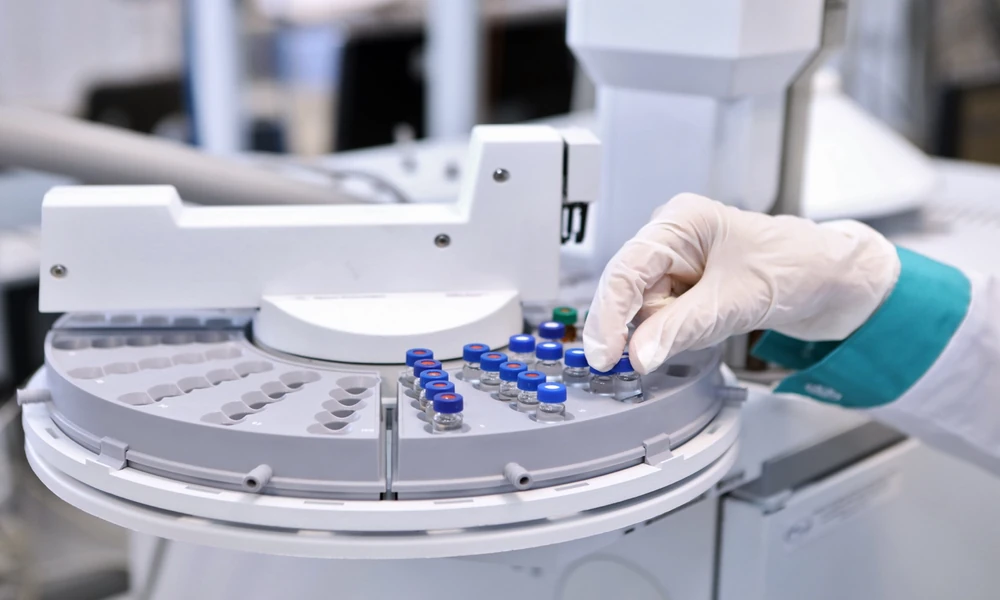
Medical manufacturing leaves little room for inconsistent production. Devices, diagnostic components, surgical instruments, and other healthcare products must meet precise specifications while manufacturers manage costs and production schedules. Artificial intelligence is giving manufacturers new ways to inspect products and detect process changes before they create larger problems.
Improving Quality Inspection
Computer vision systems can inspect components for defects that may be difficult to identify consistently at production speed. Cameras capture images while AI models look for scratches, dimensional irregularities, assembly errors, or other predefined defects.
These systems can also create inspection records that help manufacturers study defect patterns. If failures repeatedly appear on one production line or after a particular process change, teams have more information for investigating the source. AI does not eliminate the need for quality professionals. Inspection models require monitoring and human review.
Finding Problems Before Equipment Fails
Production equipment generates information through sensors, maintenance records, alarms, and operating systems. AI can analyze this information for patterns associated with declining equipment performance.
A manufacturer might detect changes in vibration or temperature before a machine fails unexpectedly. Maintenance can then be scheduled around production rather than performed after an unplanned shutdown.
Companies may also use industrial technology services to connect equipment data with monitoring and production systems, giving engineering teams a clearer view of equipment condition.
Making Production More Consistent
AI can compare process conditions with quality results to identify relationships that might otherwise be difficult to spot. Changes in temperature, pressure, cycle time, or equipment settings may correlate with higher defect rates. That information can help engineers investigate process variation before it produces widespread quality problems.
AI has practical value in medical manufacturing when it helps people make better production decisions. Better inspection, earlier equipment warnings, and closer analysis of process data can reduce waste and improve consistency. Look over the infographic below for more information.
