

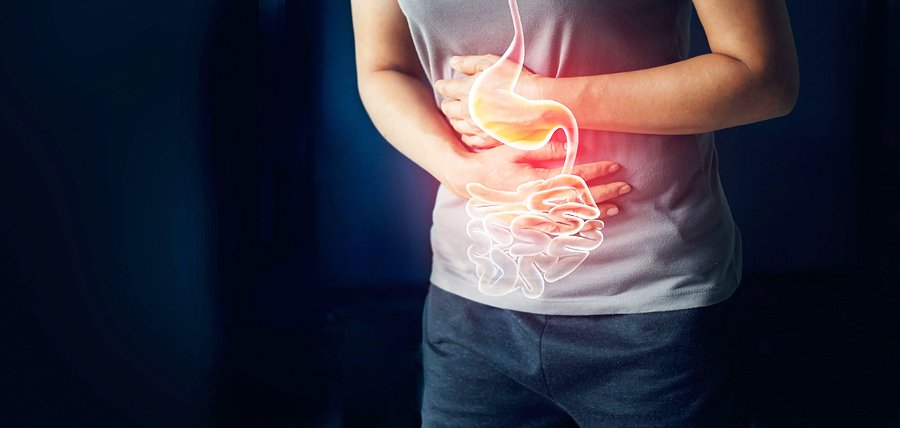
Almost everyone experiences stomach discomfort at some point. For most people, gastric pain is temporary — caused by indigestion, overeating, or mild irritation of the stomach lining. However, there are situations where stomach pain is not just an inconvenience but a sign of something far more serious. Knowing when to treat the pain at home and when to seek immediate medical attention can make all the difference.
Understanding Gastric Pain
Gastric discomfort generally refers to discomfort or pain in the upper abdomen, often associated with the stomach and digestive tract. It can feel like burning, cramping, or sharp pressure beneath the ribcage or around the navel area.
Common causes include acid reflux, gastritis, ulcers, and even stress. Sometimes, eating spicy or fatty foods, drinking alcohol, or taking certain medications can irritate the stomach lining, leading to temporary discomfort.
In most cases, rest, hydration, and avoiding irritants can relieve the symptoms. But persistent or severe pain may indicate a more serious underlying condition that requires prompt medical care.
When Pain Signals Something More Serious
While occasional stomach pain is common, certain symptoms should never be ignored. Intense, sudden, or unrelenting pain could point to an emergency condition such as a perforated ulcer, pancreatitis, gallstones, or even a heart problem presenting as upper abdominal pain.
Pain that spreads to the chest, back, or shoulder, or is accompanied by shortness of breath, dizziness, or sweating, requires urgent evaluation. These could be warning signs of a heart attack or other life-threatening conditions.
Vomiting blood, black or tarry stools, or severe bloating and tenderness are also red flags that warrant immediate medical attention. If your stomach feels hard or swollen, and you’re unable to pass gas or stool, it may indicate a blockage or perforation.
Ulcers and Gastric Bleeding
One of the most serious complications of prolonged gastric pain is an ulcer that bleeds or perforates. Peptic ulcers occur when the stomach’s protective lining wears down, allowing acid to damage the tissue.
If an ulcer begins to bleed, you might notice dark stools or vomit that looks like coffee grounds. These symptoms require emergency treatment to prevent severe blood loss and infection. A perforated ulcer, where the stomach lining develops a hole, can cause sharp, unbearable pain and leads to peritonitis — a dangerous inflammation of the abdominal cavity.
Pancreatitis and Gallstones
Sometimes, pain that feels like it’s coming from the stomach is actually due to other abdominal organs. Pancreatitis, an inflammation of the pancreas, often causes intense upper abdominal pain that radiates to the back. It may worsen after eating and is frequently associated with nausea and vomiting.
Gallstones, on the other hand, can block bile ducts and trigger severe pain on the right side of the upper abdomen. This pain can come in waves, often after eating fatty meals. If left untreated, gallstones can cause infections or jaundice, both of which require emergency care.
Food Poisoning and Infections
Acute food poisoning or gastrointestinal infections can also cause severe abdominal pain. Symptoms may include vomiting, diarrhea, fever, and dehydration. While mild cases improve within a day or two, persistent high fever, bloody diarrhea, or signs of dehydration — such as dry mouth and dizziness — are cause for concern. Dehydration can escalate quickly, especially in children and the elderly, so it’s vital to seek medical help if fluids cannot be kept down or symptoms worsen.
Heart and Lung-Related Causes
Not all upper abdominal pain stems from digestive issues. In some cases, the pain could be referred from nearby organs such as the heart or lungs. For example, a heart attack or angina can cause discomfort that feels like severe gastric distress.
Similarly, pneumonia or a pulmonary embolism may present with upper abdominal or chest pain, along with shortness of breath and fever. If you suspect your pain might be related to your heart or lungs, it’s best not to wait — seek emergency care immediately.
When to Go to the Emergency Room
You should go to the emergency room if you experience:
- Sudden, intense, or persistent abdominal pain
- Pain with fever, vomiting, or blood in stool or vomit
- Abdominal swelling, rigidity, or tenderness
- Difficulty breathing or chest discomfort
- Fainting, weakness, or confusion
Doctors will likely perform tests such as blood work, imaging scans, or endoscopy to identify the cause. Early diagnosis is key to preventing complications and ensuring a safe recovery.
Preventing Future Gastric Emergencies
Prevention starts with healthy habits. Eat smaller, balanced meals, avoid lying down immediately after eating, and limit foods that irritate your stomach, such as caffeine, alcohol, and spicy dishes. Managing stress through exercise or relaxation techniques can also help, as stress often worsens digestive issues.
If you experience frequent or severe gastric pain, consult a healthcare provider for an accurate diagnosis. Treating the underlying cause early — such as ulcers, gallstones, or acid reflux — reduces the risk of complications.
Conclusion
Gastric pain may seem like a common discomfort, but when accompanied by alarming symptoms, it can signal a medical emergency. Knowing how to recognize warning signs and when to seek help is essential for your safety.
While home remedies can ease mild symptoms, persistent or severe pain should never be ignored. Listening to your body and getting timely medical attention ensures that what starts as a minor discomfort doesn’t become a life-threatening situation.