

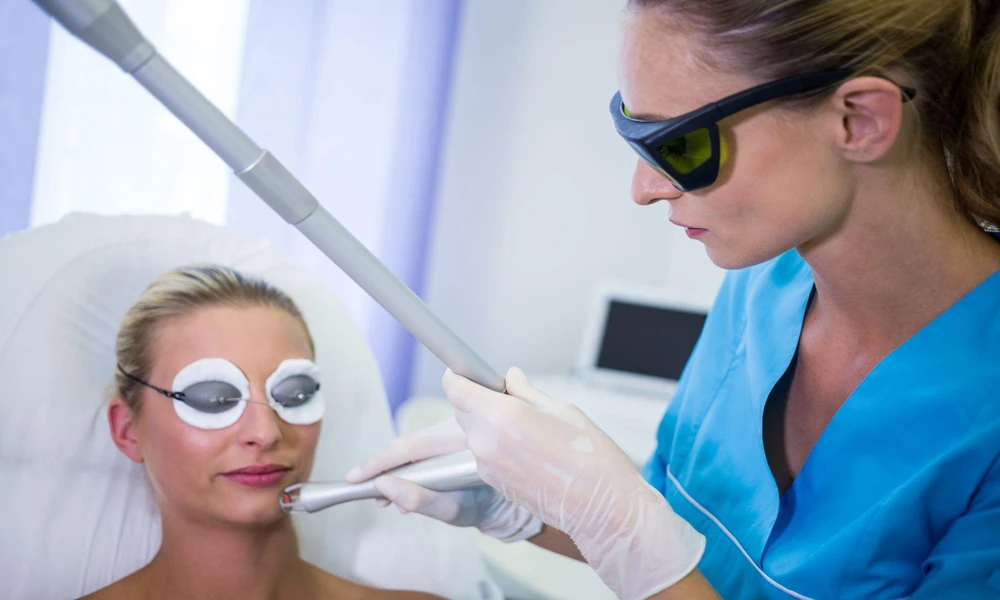
Patients researching laser treatment frequently arrive having read about specific devices and wanting one by name, which puts the decision in the wrong order. The device matters less than what is being treated, how deep it sits, and what skin type it sits in, and those determine which technology is appropriate rather than the other way round. The distinction between long-pulse and Q-switched systems is a good example, because the two sound comparable and target different things through different mechanisms. Four differences explain where each applies, and any consultation at a laser aesthetic clinic in Singapore should begin with assessment rather than device selection.
1. Pulse Duration and What That Does to the Target
The fundamental difference is how long energy is delivered. Q-switched lasers emit extremely short pulses, which shatter pigment particles mechanically with minimal heat spreading to surrounding tissue.
Long-pulse systems deliver energy over a longer interval, producing heating rather than fragmentation. That heating is what allows them to act on structures requiring sustained thermal effect rather than mechanical disruption.
Neither is more powerful in a general sense. They do different things, and applying one to a target suited to the other produces either no result or an unnecessary risk of side effects.
2. Which Concerns Each Typically Addresses
Q-switched technology is conventionally associated with pigmented targets, where fragmenting pigment allows the body to clear it gradually.
Long-pulse laser treatment in Singapore is more commonly directed at vascular concerns, where sustained heating of a blood vessel is the intended mechanism, and at certain other targets requiring thermal rather than mechanical effect. The practical implication is that a patient with both pigmentation and vascular concerns may require different approaches for each rather than a single treatment addressing both, which is worth understanding before assuming one session covers everything you noticed in the mirror.
Which applies to your specific concern is a matter for examination, since lesions that appear similar can differ in depth and composition.
3. Depth of Penetration and How Wavelength Factors In
Different wavelengths penetrate to different depths, and the appropriate choice depends on where the target sits within the skin.
Superficial and deeper concerns require different settings, and a device capable of reaching a deeper target is not automatically preferable, since unnecessary depth means energy delivered where it serves no purpose. Assessment should establish depth as well as type before any device is selected.
4. Considerations for Different Skin Types
Skin type affects risk, particularly the possibility of pigmentary change following treatment. Darker skin types carry different considerations, and settings that are appropriate for one skin type may not be for another.
This is among the more important reasons that treatment should be performed by a qualified doctor who assesses your skin rather than applied from a standard protocol. Ask directly how your skin type affects the approach, what the risks are in your case, and whether a test patch is recommended before full treatment.
What a Proper Consultation Should Cover
An appropriate consultation includes examination of the specific concern, a discussion of what it actually is, an explanation of which approach suits it and why, and a realistic account of expected outcome, number of sessions, downtime, and cost.
It should also cover risks and side effects specific to your skin type, what aftercare is required, and what happens if the result falls short. Where a concern requires medical assessment rather than aesthetic treatment, particularly any lesion that has changed in size, shape, or colour, that warrants proper evaluation first. Nothing here is medical advice or a diagnosis, and which treatment suits you depends entirely on examination by a qualified doctor.
Contact Dr Valentin Low to arrange an assessment and discuss which laser approach suits your specific concern and skin type.