

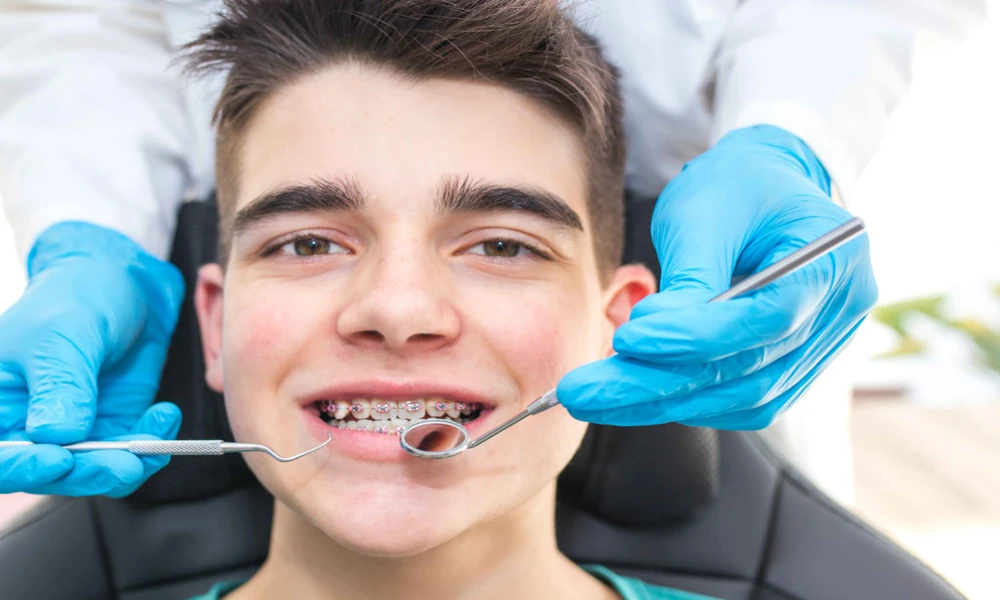
Many patients prefer accelerated orthodontics because it may reduce the time required to achieve a straighter smile. Busy adults and teens often find this especially attractive. Whether faster tooth movement is the reason for more pain remains a common concern.
In most cases, the answer is no; the discomfort is typically similar to traditional treatment. The orthodontist in Placentia, CA, at Happy Braces provides accelerated treatment options for children, teens, and adults seeking healthier, more confident smiles.
Understanding Accelerated Orthodontics
Accelerated orthodontics uses specialized techniques and technologies designed to help teeth move more efficiently. Treatments may include devices such as AcceleDent, Propel, or other methods that stimulate the bone and tissues surrounding the teeth. According to orthodontic providers, these approaches can reduce overall treatment time and may be used alongside braces or clear aligners.
The goal is not to force teeth into place aggressively. Instead, the treatment encourages the natural biological processes that allow teeth to move through bone more effectively.
Why Orthodontic Treatment Causes Discomfort
Whether you choose traditional orthodontics or an accelerated option, some soreness is normal.
Teeth move because gentle pressure is applied over time. As the surrounding tissues adapt, patients may experience:
- Mild tenderness
- Pressure around teeth
- Temporary soreness after adjustments
- Sensitivity when chewing
Most people notice this discomfort during the first few days after an adjustment or when switching to a new aligner tray.
Does Accelerated Treatment Hurt More?
Some accelerated orthodontic systems are specifically designed to improve the efficiency of tooth movement while maintaining patient comfort. Certain technologies use gentle vibrations or controlled stimulation to support the movement process.
In fact, some orthodontic practices report that patients often experience similar or even lower levels of discomfort compared to traditional treatment. This is because the teeth may move more smoothly, reducing the resistance that can contribute to soreness.
That said, everyone’s experience is different. A patient with a low pain tolerance may feel pressure more intensely than someone else.
Factors That Influence Comfort
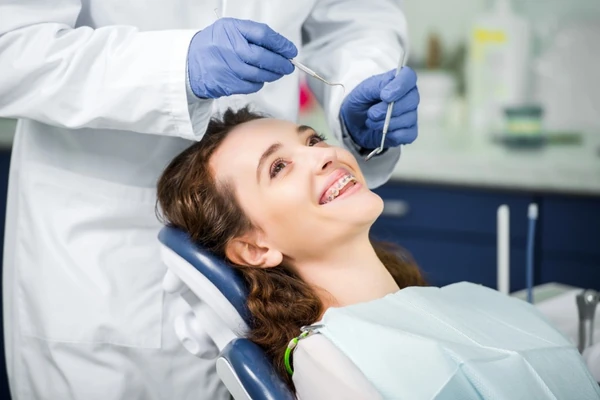
Several variables affect how comfortable treatment feels:
- Individual Pain Tolerance: People naturally respond to discomfort differently. What feels mild to one person may feel significant to another.
- Treatment Complexity: More complex cases often require greater tooth movement, which can create additional pressure regardless of the treatment method.
- Patient Compliance: Patients who follow instructions carefully, wear aligners as directed, and attend appointments regularly often experience smoother treatment progress.
- Oral Health: Healthy gums and teeth generally respond better to orthodontic movement and may help minimize irritation.
Tips for Managing Orthodontic Soreness
If discomfort occurs, these simple strategies can help:
- Eat softer foods for a day or two
- Use orthodontic wax if brackets cause irritation
- Stay hydrated
- Follow your orthodontist’s instructions
- Use approved pain relief options if recommended
The good news? Most soreness is temporary and typically fades within a few days.
Final Thoughts
Accelerated orthodontics does not necessarily cause more pain than traditional treatment. Most patients experience temporary pressure or mild soreness similar to standard braces or aligners. In some cases, treatment may even feel more comfortable. A consultation with an experienced orthodontist can help set realistic expectations.