

Key Highlights
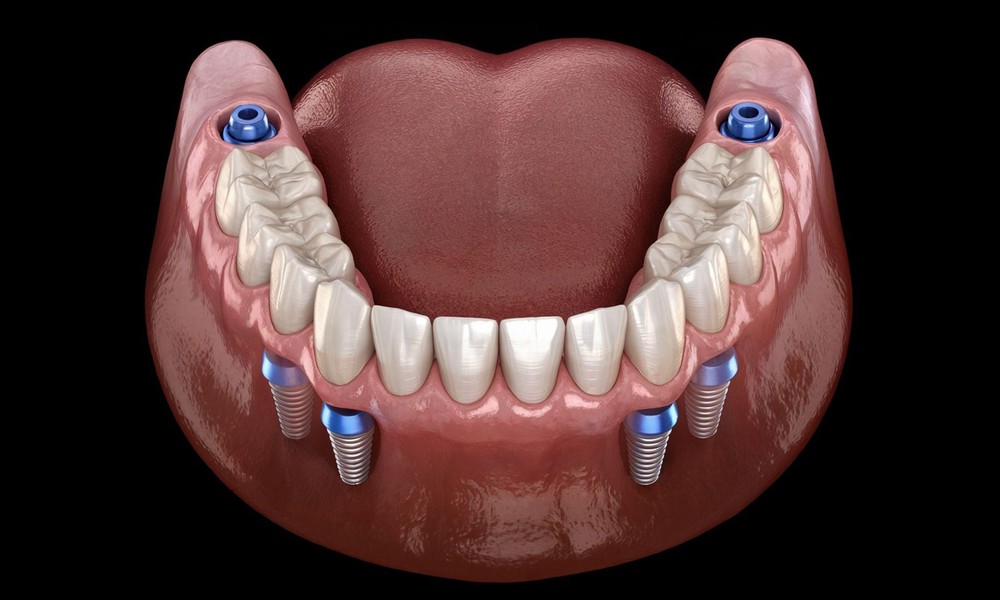
- All-on-four implants provide a full-arch restoration using only four strategically placed posts.
- Traditional implants often require more bone density and may necessitate separate bone grafting procedures.
- The all-on-four technique typically offers a faster transition to functional temporary teeth.
- Traditional methods are often better suited for replacing individual missing teeth rather than entire rows.
Introduction
Losing multiple teeth can significantly impact both your confidence and your ability to enjoy a varied diet. Fortunately, modern restorative dentistry offers several effective solutions to restore a full, functional smile. For many patients visiting a dental clinic in Orchard, the choice often comes down to all-on-four implants versus traditional dental implants. While both options utilise titanium posts that fuse with the jawbone, the techniques and outcomes differ considerably. Understanding these differences is essential for choosing the treatment path that aligns with your health needs, lifestyle, and aesthetic goals. Each method has its unique advantages, and a professional consultation is the best way to determine which restoration will offer the most longevity for your specific case.
Number of Implants and Placement
The most obvious difference lies in the number of implants required to support a full bridge of teeth. Traditional methods typically require six to eight implants per arch to provide sufficient stability. Each of these implants is placed vertically into the jawbone, which requires a significant amount of healthy bone across the entire span of the jaw. If a patient has experienced bone loss in specific areas, they may not be candidates for this approach without extensive preparatory work.
In contrast, all-on-four implants use only four posts to support an entire upper or lower arch. Two implants are placed vertically in the front of the jaw, while the two posterior implants are placed at a 45-degree angle. This tilted placement allows the dentist to take advantage of the denser bone available in the anterior part of the jaw. By using fewer implants and strategic angling, this method provides a high level of stability while minimising the amount of surgery required to achieve a full-arch restoration.
Bone Grafting Requirements
Bone health is a critical factor in the success of any dental implant. When a tooth is lost, the surrounding bone begins to atrophy over time. Traditional dental implants require a specific volume and density of bone to be successful. If the jaw has thinned, a patient must undergo bone grafting, which involves adding bone material to the site and waiting several months for it to integrate, which adds significant time and cost to the overall treatment plan.
One of the major draws for patients at a dental clinic in Orchard is that all-on-four implants often eliminate the need for bone grafting. Because the posterior implants are tilted, dentists can anchor them into areas of the jaw that have more bone volume, making the procedure accessible to all patients. By bypassing the grafting stage, the treatment process is streamlined, and patients can move toward their final results much more quickly.
Treatment Timeline and Recovery
The timeline for traditional implants is often a multi-stage process that can span six months to a year. After the dentist surgically places the implants, they require a healing period of several months for osseointegration to occur before the final crowns or bridges can be attached. During this time, patients may need to wear a removable denture, which can be inconvenient and less stable than a fixed solution.
Dentists refer to all-on-four implants as “teeth in a day.” While the full healing process still takes time, a temporary, fixed bridge is often attached to the implants on the same day as the surgery, which means patients leave the clinic with a functional set of teeth immediately. This immediate loading capability is a significant benefit for those who want to avoid the transition period of wearing removable appliances. The recovery from the surgery itself is also generally faster because there are fewer implant sites to heal and often no secondary graft sites to manage.
Long-Term Maintenance and Aesthetics
Both traditional and all-on-four options offer exceptional aesthetic results, but they cater to different maintenance needs. Dentists use traditional implants when a patient still has several healthy natural teeth remaining. They allow for the replacement of individual teeth without affecting the neighbours, making them ideal for maintaining the natural structure of the mouth when total replacement is not yet necessary. Maintenance for these involves standard brushing and flossing, much like natural teeth.
All-on-four implants are for patients who are missing most or all of their teeth in an arch. The result is a seamless, full-arch bridge that looks and feels like natural teeth. Because the bridge is fixed, it does not slip or shift like traditional dentures. Maintenance involves using specialised floss or water flossers to clean beneath the bridge. For those looking for a total smile transformation at a dental clinic in Orchard, this method provides a cohesive and durable result that can last a lifetime with proper care.
Conclusion
Choosing between all-on-four implants and traditional dental implants depends on your oral health and long-term goals. While traditional implants are excellent for targeted replacement and individual tooth care, the all-on-four technique offers a revolutionary way to restore full arches with less surgery and faster results. Both procedures preserve jawbone health and restore the ability to eat and speak with confidence. By consulting with a skilled professional, you can develop a personalised plan that restores your smile and enhances your quality of life.
Contact Elite Dental Group to find out if all-on-four implants are the right solution for your smile.