

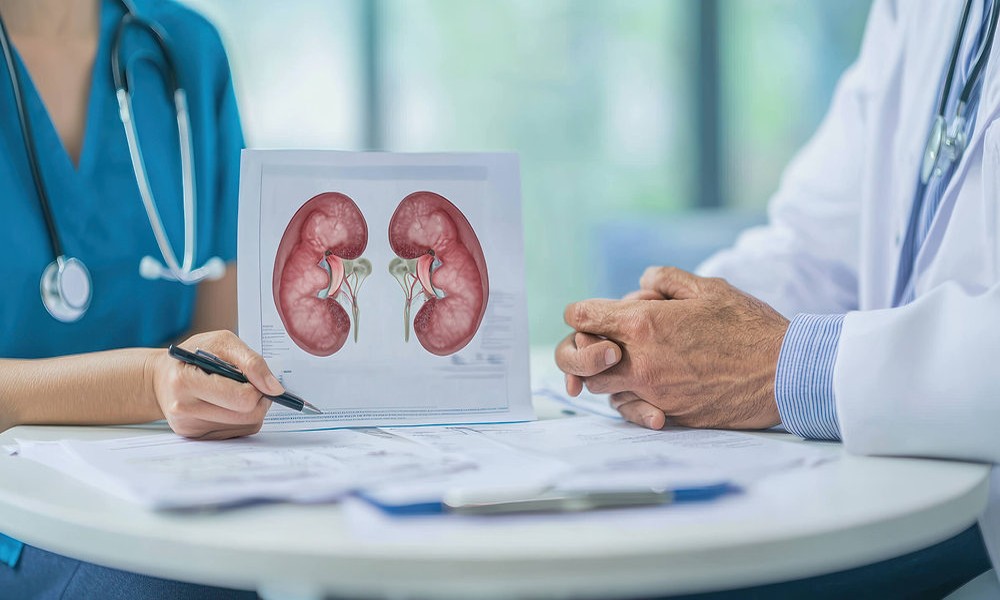
Hypertension causes the kidneys to be destroyed subsequently without any symptoms. Problems will be solved early before they produce irreversible damage if they are monitored regularly. In this kidney care guide, you will learn the explanation about the regular checkup in Texas Kidney Care HBP treatment. Regular check-ups by doctors safeguard blood pressure and kidney health.
What to know about regular checkups during kidney care hbp treatment
How high blood pressure affects kidney health
Uncontrolled hypertension makes the kidneys overwork. The tiny blood vessels in the kidneys lead to their tightening and weakening with age. This destruction diminishes the power of the kidneys in removing waste products in the blood. Texas kidney care hp treatment aims at avoiding this progressive harm by making frequent observations.
What happens during a routine kidney checkup
A physician checks blood pressure and urine for protein and/or blood. The blood tests determine the amount of creatinine in the blood stream and also calculate the filtration rate of the kidneys. These simple tests tell if the kidneys function normally. The reasons why these appointments are not to be missed are:
- Early damage detection: Kidney disease doesn’t present any symptoms early on, but frequent check-ups can detect the issues before they’re too late.
- Medication dose adjustment: most blood pressure drugs are excreted in the kidneys that might require dose changes as a result of decreased kidney function to avoid toxicity.
- Protein leakage monitoring: The urine protein will detect kidney damage caused by hypertension and early detection of the disease will reduce progression with time.
How often checkups should occur
Checkups should be done every six months to patients with mild hypertension. Individuals who have some kidney damage ought to visit after every three months. More frequent checking is required at the time of changes in medications. Texas kidney care hbp treatment offers each patient a personalized treatment schedule.
What urine tests reveal
The simple dipstick urine test can be done to look for protein, indicating the kidneys have been damaged. Microalbumin tests pick it up when it is in very small quantities before it shows up in regular tests. An increase in the level of proteins points to a more developed kidney damage. Frequent urine testing follows up the protection of kidneys by treatments.
How medication adjustments protect kidneys
A lot of blood pressure medication is excreted through the kidneys. These drugs may accumulate dangerously when there is a reduction in the functioning of the kidney. Frequent blood tests alert physicians that they have to reduce doses or change medications. In kidney care in Texas, the treatment of the hbp will be carefully managed in order to prevent toxicity from the medication.
What lifestyle changes support kidney health
Decreasing the amount of salt consumed aids medications to be more effective. Hydration helps the kidney, however do not over hydrate if it is swollen. Workouts also reduce blood pressure in a natural manner and make the heart healthy. Lifestyle changes need to be talked over during routine checkups with the doctor.
Summary
Routine examinations guard against unnoticed loss of the kidneys due to the high blood pressure. To identify issues and lead to medication changes, issues are identified by routine urine and blood analyses. Patients who go for visits as scheduled have less loss of kidney function and can even postpone dialysis. Missing checkups will result in irreparable damage that would have been avoided.