

Key Highlights
- Hands-on training using professional resuscitation mannequins and automated external defibrillator trainers.
- Comprehensive theoretical modules covering cardiac arrest recognition and the chain of survival.
- Practical assessments designed to evaluate competency and refine life-saving techniques.
- Expert instruction from certified healthcare professionals with real-world experience.
Introduction
The decision to enrol in a life-saving skills training programme is a significant step towards becoming a more capable member of the community. Cardiac emergencies can happen anywhere, and being equipped with the knowledge to respond effectively can mean the difference between life and death. Many individuals feel a natural sense of apprehension before attending a CPR AED certification class, perhaps wondering if the physical requirements will be too demanding or if the material will be overly complex. Understanding the structure and expectations of such a course can help alleviate these concerns, allowing students to focus on the vital skills being taught. Whether you are a healthcare professional or a concerned citizen, the journey of learning to save a life is both rewarding and deeply practical.
The Practical Approach to Learning
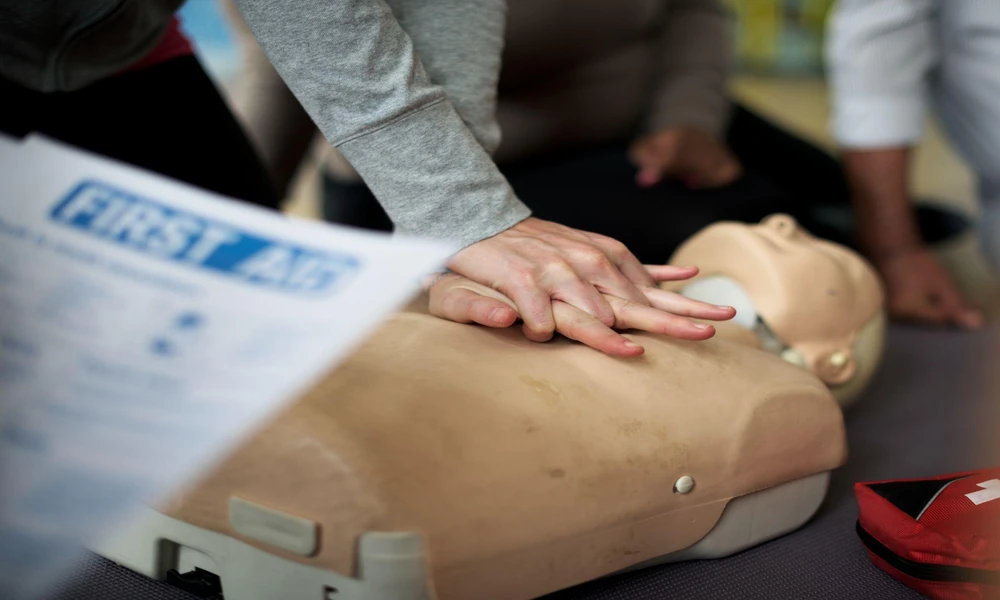
A high-quality CPR course is designed to move beyond textbooks and lecture slides. The primary expectation for any student should be a curriculum heavily focused on hands-on application. Participants will spend a significant portion of their time practising chest compressions and ventilation techniques on mannequins. These devices provide immediate feedback, allowing students to adjust their rhythm and depth to ensure they meet international resuscitation standards. The objective is to build muscle memory, ensuring that in the event of an actual emergency, your response is instinctive rather than hesitant.
Furthermore, students will learn the correct operation of an Automated External Defibrillator. Many people express fear regarding the use of such equipment, yet modern AEDs are designed to be user-friendly, with clear voice prompts and visual cues. During your training, you will become intimately familiar with the device, learning how to place the pads correctly and how to interact with the unit safely. This practical exposure transforms the AED from an intimidating machine into an essential tool in your emergency toolkit.
Theoretical Foundations of Survival
While the physical skills are crucial, the theoretical component of the course provides the necessary context. You will learn to recognise the signs of cardiac arrest, which are not always as cinematic as they appear on television. Understanding the ‘chain of survival’ is a core expectation of any reputable training programme. This framework helps participants understand their role in the broader medical system, from the moment they call for professional help to the precise moment they begin basic life support.
The theory modules also cover the legal and ethical considerations of intervening in an emergency. Instructors will guide you through the principles of good samaritan laws, giving you the confidence to act without the fear of legal repercussions. This knowledge is empowering; it shifts the mindset from being a bystander to becoming a prepared responder who understands the limitations and legal protections afforded to them in the field.
Building Confidence Through Assessment
Assessments can often feel daunting, but in the context of a life-saving course, they are primarily formative. You should expect a supportive environment where instructors provide constructive feedback. The goal is not to test your memory under pressure for the sake of a grade, but to ensure that you are truly capable of performing the required manoeuvres under stress. This competency-based approach ensures that when you leave the training centre, you are not just certified on paper but genuinely prepared to handle a crisis. You will find that instructors are committed to your success, often re-demonstrating techniques and offering one-on-one guidance to ensure every participant reaches the required standard.
Conclusion
Preparing for a CPR AED certification is an investment in the safety of your family, colleagues, and community. The process is designed to be accessible, practical, and highly empowering. By the end of your training, you will possess a set of skills that transcend the classroom, providing you with the poise to act decisively when every second counts. Embracing the learning experience with an open mind will not only enrich your understanding but will also ensure you are ready to serve as a vital link in the chain of survival.
Ready to make a difference and equip yourself with essential skills? Contact the Singapore Heart Foundation today to learn more about our upcoming training sessions and secure your spot in our next class. We look forward to helping you become a confident and capable responder.